The Ultimate Guide to Deploying Smart Displays Across Multi-Location Retail Chains
Introduction
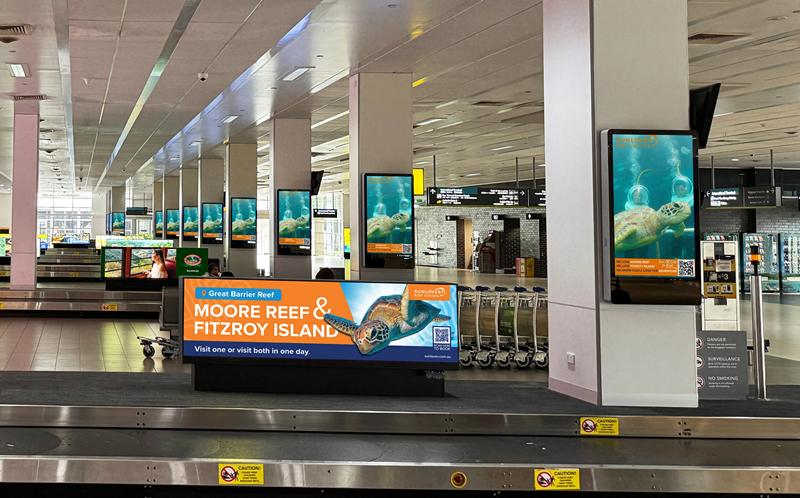
In today's fast-paced retail environment, smart displays have become essential tools for engaging customers, enhancing operational efficiency, and boosting brand visibility. This guide explores the key steps and considerations for successfully deploying smart floor standee lcd displays across multiple retail locations.
1. Define Objectives
Before starting the deployment process, it’s crucial to define your primary objectives. Common goals include:
- Customer Engagement: Attract customers through dynamic content, increasing interaction.
- Brand Awareness: Effectively promote products and services to enhance brand recognition.
- Operational Efficiency: Use displays for internal communication and staff training.
2. Assess Locations
Selecting the right locations is key to a successful deployment. Consider the following factors:
- Foot Traffic Analysis: Identify high-traffic areas to ensure displays are placed optimally.
- Demographic Research: Understand the target audience at each location to tailor content.
- Space Evaluation: Confirm that there is adequate space and electrical access for the displays.
3. Choose the Right Technology
Selecting appropriate technology is essential for effective display operation. Key considerations include:
- Display Types: Choose between LED, LCD, or interactive touchscreens based on needs and budget.
- Content Management System (CMS): Select a robust CMS for easy content updates.
- Connectivity: Ensure reliable internet access for real-time updates to the displays.
4. Content Strategy
Content is crucial for attracting customers. When building an effective content strategy, consider:
- Dynamic Content: Use videos, promotions, and personalized messages to engage customers.
- Localization: Tailor content to local preferences and events for greater relevance.
- Scheduled Updates: Create a content calendar to ensure regular refreshes.
5. Installation Process
Installation is a critical step in the deployment process. Keep the following in mind:
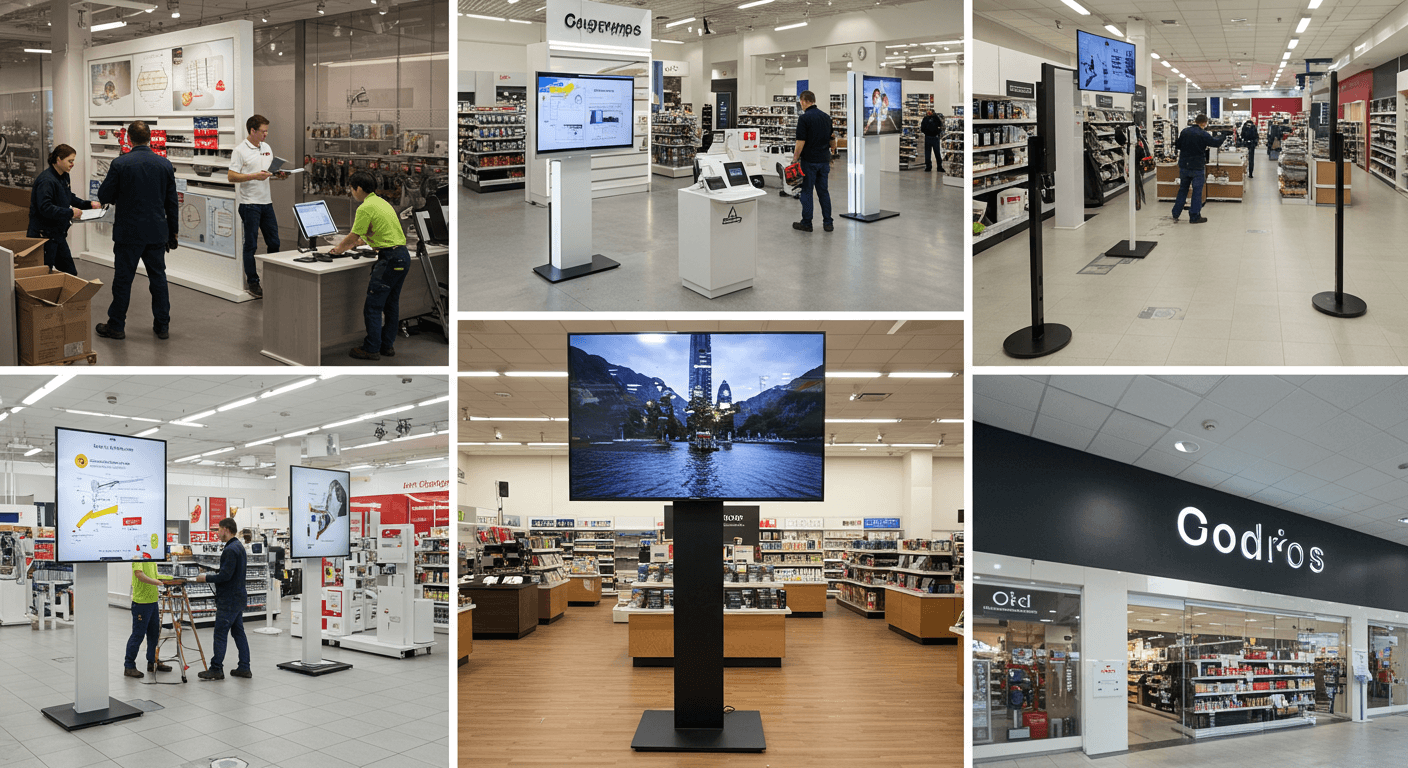
- Professional Installers: Hire experts to ensure quality and safety during installation.
- Testing: Conduct comprehensive testing of each display before going live to ensure proper function.
- Maintenance Plan: Establish a schedule for regular maintenance and troubleshooting.
6. Training Staff
Training staff is essential for successful deployment. Training should cover:
- User Training: Help staff understand how to operate and troubleshoot displays.
- Content Creation: Educate teams on crafting engaging content.
- Feedback Mechanism: Set up a process for staff to provide feedback on display performance.
7. Monitor and Optimize
After deployment, continuously monitor the performance of displays to optimize their effectiveness. Consider these actions:
- Performance Analytics: Use software to track engagement metrics, such as viewer counts and interaction rates.
- Customer Feedback: Regularly gather customer feedback to improve content and display effectiveness.
- Iterate: Make adjustments based on data and feedback for ongoing improvement.
8. Compliance and Security
Ensuring compliance and security is crucial for protecting customers and the business:
- Regulatory Compliance: Ensure all displays meet local regulatory requirements.
- Data Security: Safeguard customer data and secure network connections.
Conclusion
Deploying smart displays in multi-location retail chains can significantly enhance customer engagement and operational efficiency. By following the steps outlined in this guide, retailers can ensure a successful implementation that maximizes their technology investment.
Additional Resources
- Case Studies: Review successful deployments in similar industries for inspiration.
- Vendor Comparison: Analyze different providers for hardware and software needs to choose the best fit.
- Industry Trends: Stay updated with the latest developments in digital signage technology.
By following this guide, retail chains can effectively leverage smart display technology to transform customer interactions and operational workflows, ultimately achieving greater business value.