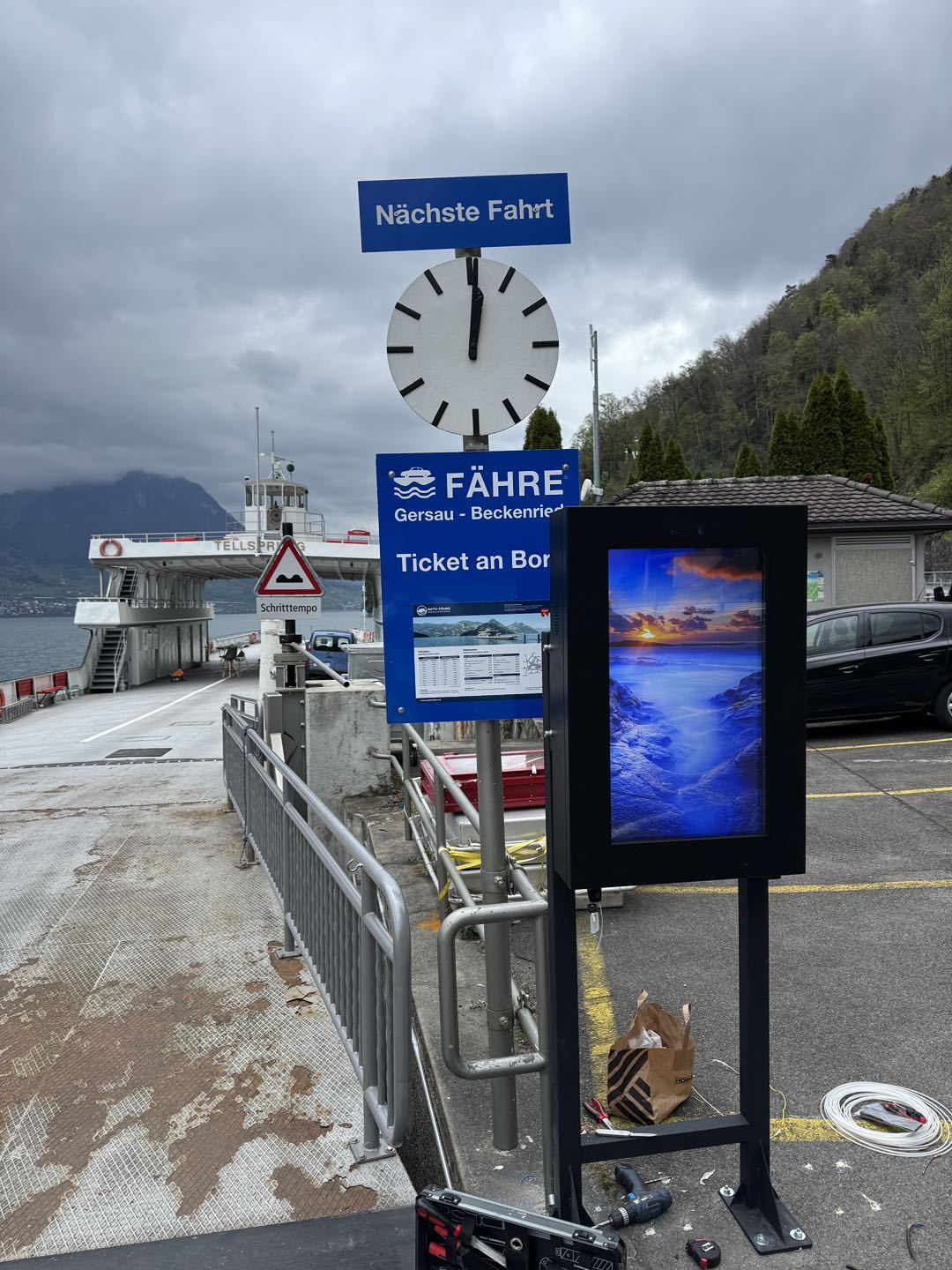
Outdoor Standee Digital Displays vs. Traditional Static Boards
In today’s fast-paced advertising landscape, choosing the right outdoor advertising format is crucial for effective brand communication. Outdoor standee digital displays and traditional static boards are two common options, each with its own unique advantages and disadvantages. This article will delve into these two advertising formats, helping you understand their features to make informed decisions.
Outdoor Standee Digital Displays

1. Dynamic Content Display
One of the most significant advantages of outdoor standee digital displays is their ability to showcase dynamic content. Unlike traditional static boards, which can only display fixed messages, digital displays can show videos, animations, and real-time information, making them more effective at capturing the attention of passersby. For example, businesses can use these displays to run promotions, event announcements, or brand stories, enhancing their appeal and memorability.
2. Remote Management
Another major advantage is the capability for remote management of content. Through internet connectivity, advertisers can update the display’s content from anywhere at any time. This flexibility allows businesses to quickly adapt their advertising messages based on market changes or customer needs, improving the effectiveness of their campaigns. For instance, during specific holidays or events, companies can instantly modify their advertisements to ensure relevance.
3. Interactivity
Many modern digital displays also support touch functionality or interactive applications, providing users with a richer experience. Consumers can engage with the touchscreen to browse additional information, participate in surveys, or obtain coupons. This interactive aspect not only enhances user engagement but also increases brand recognition.
4. Enhanced Visibility
Outdoor standee digital displays perform exceptionally well in low-light conditions. Their brightness and color contrast often surpass those of traditional static boards, allowing them to attract more attention during dusk or nighttime. This advantage makes digital displays ideal for urban hotspots or busy traffic areas.
5. Maintenance and Cost
Despite their numerous benefits, the maintenance and cost of digital displays cannot be overlooked. The initial investment is generally higher, including equipment purchase, installation, and ongoing maintenance. Additionally, as technology evolves, screens may require periodic replacement, further increasing long-term operational costs.
Traditional Static Boards
1. Cost-Effectiveness
In contrast, the primary advantage of traditional static boards lies in their cost-effectiveness. The production and installation costs of static boards are typically lower, making them suitable for small businesses or startups with limited budgets. Moreover, the maintenance costs for static boards are also lower, as they do not require electricity or complex technical support.
2. Simplicity
Static boards are straightforward in design and display, making them easy for consumers to understand. No technical knowledge is required to quickly grasp the advertising message. This intuitiveness allows for rapid communication of information, making static boards suitable for a broad target audience.
3. Durability
Traditional boards are usually made from weather-resistant materials, allowing them to endure various environmental conditions. Even in harsh weather, static boards can remain stable without the risk of electronic failures, which can plague digital displays.
4. Limitations of Physical Updates
However, the limitations of static boards include their static nature. Once the advertisement is changed, it often requires physical intervention, which can be cumbersome and time-consuming. This limitation prevents timely responses to market changes, potentially rendering the information outdated.
5. Visibility and Appeal
Compared to digital displays, traditional static boards may sometimes lack the attention-grabbing qualities needed in competitive urban environments. They can easily be overshadowed by other advertisements, leading to visual fatigue. While well-designed static boards can attract attention, their effectiveness often pales in comparison to dynamic digital displays.
Conclusion and Recommendations
When selecting an outdoor advertising format, businesses must consider their goals, budget, and brand requirements. If your objective is to engage younger consumers or provide real-time updates, outdoor standee digital displays may be the better choice. However, if you're on a limited budget or wish to convey straightforward, uncomplicated messages, traditional static boards remain an effective option.
Regardless of the advertising format chosen, understanding the target audience and their needs is key to success. With a well-thought-out advertising strategy and creative design, you can maximize the effectiveness of your advertising efforts and enhance brand awareness and customer engagement.