
Maintaining Outdoor LCD Displays in Harsh Climates: Best Practices
Outdoor LCD displays are increasingly used for advertising, information dissemination, and entertainment. However, harsh climates pose significant challenges to their performance and longevity. This article explores best practices for maintaining these displays to ensure they function optimally despite environmental stresses.
Understanding the Challenges
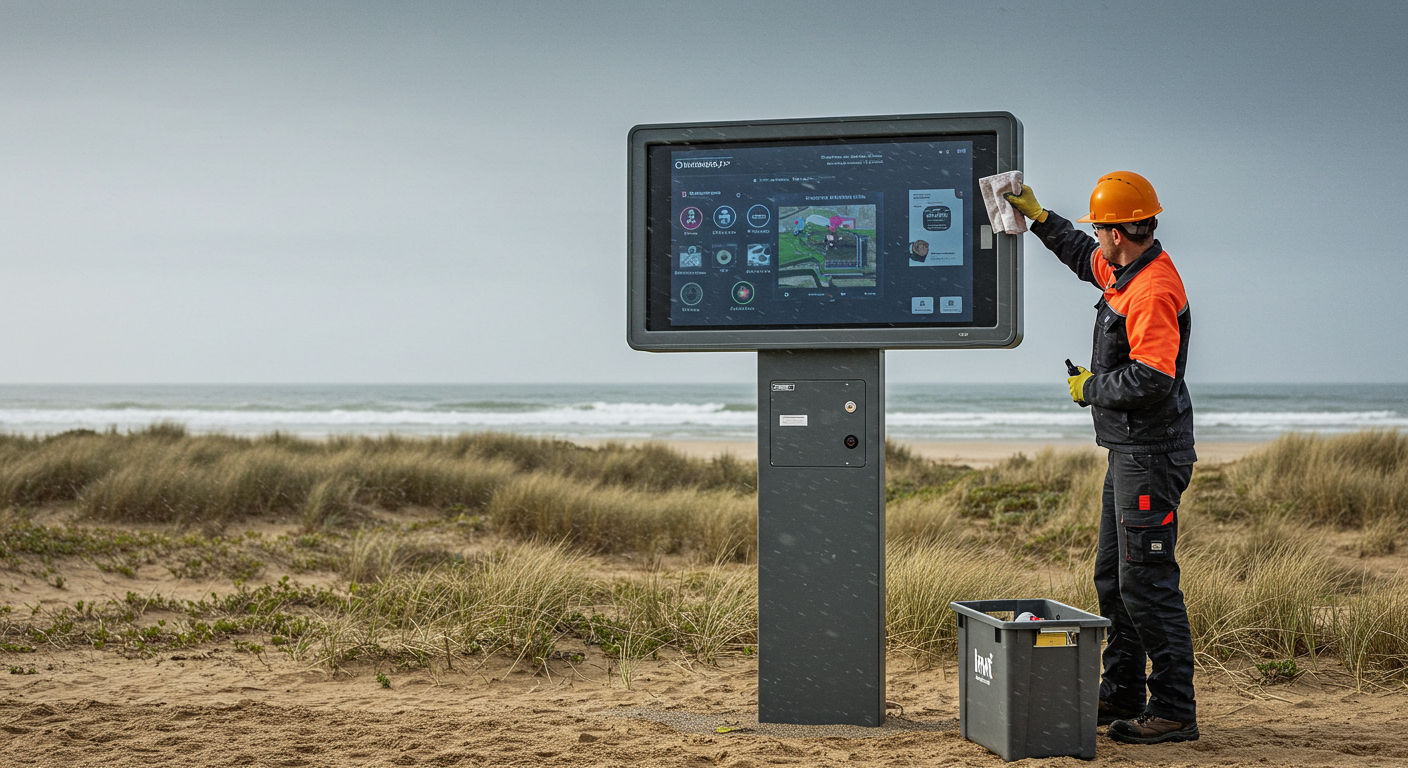
Outdoor LCD displays face various environmental factors, including extreme temperatures, humidity, UV radiation, and physical threats like dust and moisture. These conditions can lead to numerous issues such as screen damage, overheating, and reduced visibility. Therefore, proactive maintenance strategies are essential.
1. Weatherproof Enclosures
One of the first lines of defense against harsh weather is a high-quality weatherproof enclosure. These enclosures should be rated for outdoor use, typically with an IP (Ingress Protection) rating of 65 or higher. This rating indicates resistance to dust and water.
Key Features:
- Sealant Materials: Use durable, weather-resistant materials to construct enclosures.
- Ventilation: Incorporate ventilation systems to prevent overheating while keeping moisture out.
2. Temperature Control
Temperature fluctuations can severely affect LCD performance. In cold climates, displays can freeze, while excessive heat can lead to overheating.
Solutions:
- Heating Elements: Install heaters to maintain an optimal operating temperature in cold conditions.
- Cooling Systems: Use air conditioning units or cooling fans to ensure the display remains functional in high temperatures.
3. Regular Cleaning
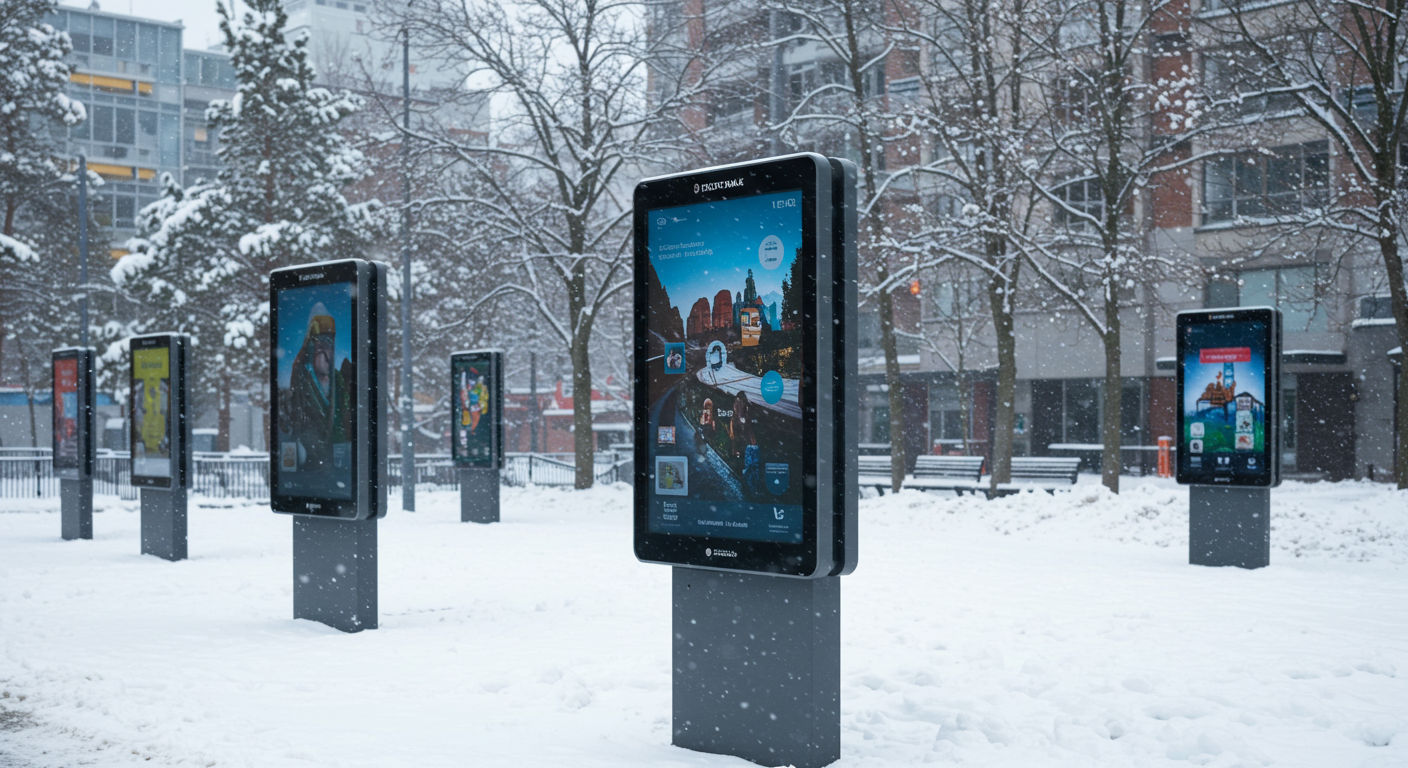
Dirt, dust, and grime can accumulate on screens, impacting visibility and performance. Regular cleaning is crucial.
Cleaning Tips:
- Frequency: Clean the screens every few weeks, or more often in high-dust areas.
- Cleaning Solutions: Use non-abrasive, specialized cleaning solutions designed for LCD screens to avoid damage.
4. Anti-Reflection Coatings
One of the significant challenges for outdoor displays is glare from sunlight. Anti-reflective coatings can enhance visibility and readability.
Benefits:
- Improved Visibility: Reduces glare, making content easier to read in bright conditions.
- Durability: Many coatings also provide scratch resistance.
5. Protection from Moisture
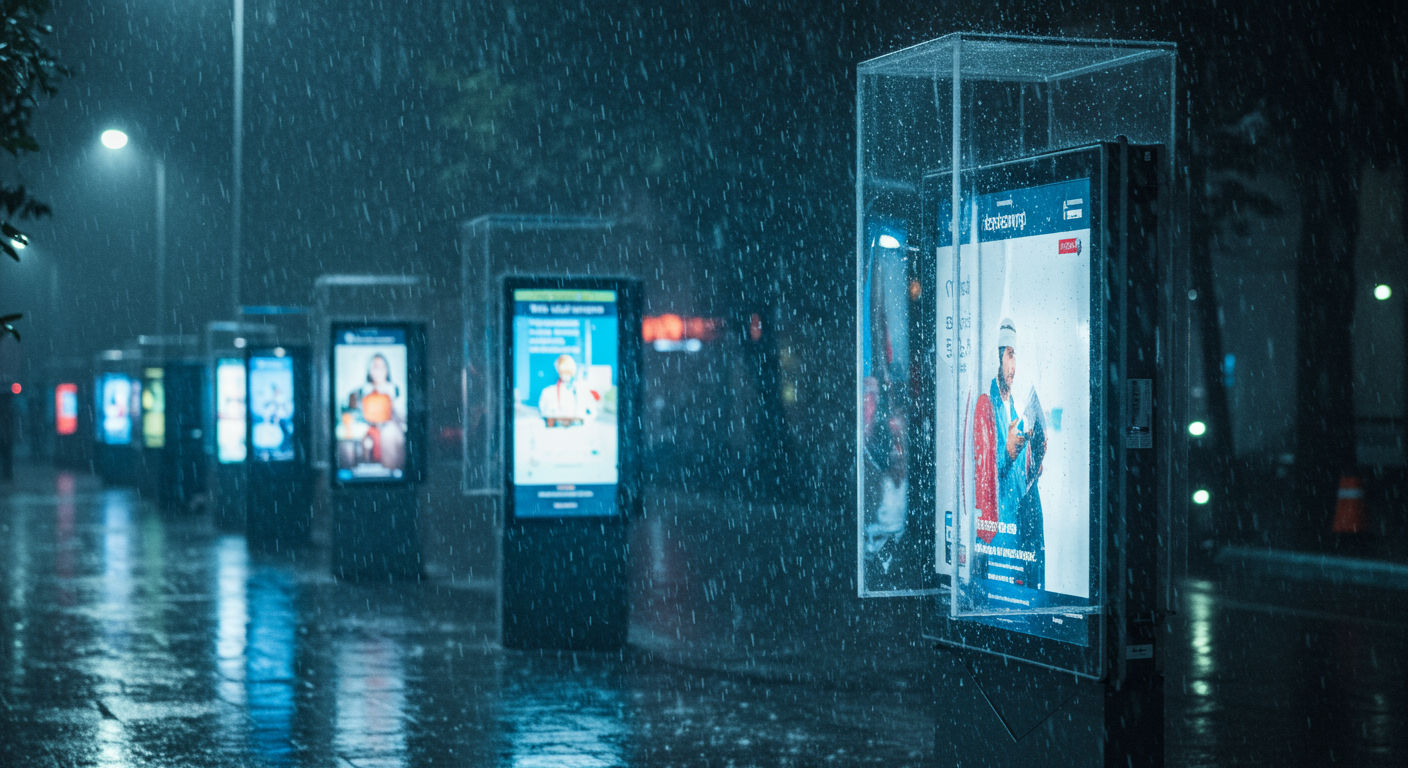
Moisture can lead to serious issues, including electrical shorts and corrosion.
Strategies:
- Sealing Techniques: Ensure all seams and joints are properly sealed with moisture-proof materials.
- Dehumidifiers: In humid climates, consider using dehumidifiers within the enclosure to control moisture levels.
6. Surge Protection
Outdoor displays are susceptible to electrical surges, especially during storms. Surge protectors are essential for safeguarding against these spikes.
Implementation:
- Power Surge Protectors: Install surge protectors specifically designed for outdoor equipment.
- Regular Checks: Periodically test surge protection systems to ensure they are functioning correctly.
7. Routine Inspections
Conducting regular inspections can help identify potential issues before they become significant problems.
Checklist:
- Visual Inspections: Look for signs of wear and tear, corrosion, or damage.
- Connection Checks: Ensure all cables and connections are intact and secure.
8. Software Maintenance
Keeping software up to date is critical for performance and security. Regular updates can fix bugs and enhance functionality.
Best Practices:
- Scheduled Updates: Establish a routine for checking and applying software updates.
- Security Patches: Install security patches promptly to protect against vulnerabilities.
9. Proper Installation
The installation process plays a crucial role in the display's longevity and performance.
Considerations:
- Secure Mounting: Ensure displays are securely mounted to withstand high winds and other physical stresses.
- Anti-Vibration Mounts: In earthquake-prone areas, use mounts that can absorb vibrations and shocks.
10. Monitoring Systems
Implementing a remote monitoring system can significantly enhance maintenance efforts.
Advantages:
- Real-Time Monitoring: Track performance metrics and receive alerts for any anomalies.
- Remote Diagnostics: Diagnose issues remotely, reducing the need for on-site visits.
Conclusion
Maintaining outdoor LCD displays in harsh climates requires a multifaceted approach that includes weatherproofing, temperature control, regular cleaning, and vigilant monitoring. By implementing these best practices, you can ensure that your outdoor displays remain functional, visible, and reliable, regardless of environmental challenges. Investing time and resources into maintenance will ultimately lead to improved performance and longevity, maximizing the return on investment for outdoor display systems.