
The Importance of High-Brightness Displays: Illuminating Outdoor and Sunlit Environments
The Importance of High-Brightness Displays: Illuminating Outdoor and Sunlit Environments
In an era where digital communication dominates, high-brightness displays have emerged as a cornerstone for ensuring visibility, engagement, and functionality in challenging environments. These screens, often exceeding 1,500–3,000 nits (a measure of brightness), are engineered to combat glare, sunlight, and extreme weather conditions, making them indispensable for outdoor digital kiosks, transportation hubs, and other sunlit applications. This article explores why high-brightness displays are critical and highlights real-world case studies that underscore their transformative impact.
Why Brightness Matters Outdoors
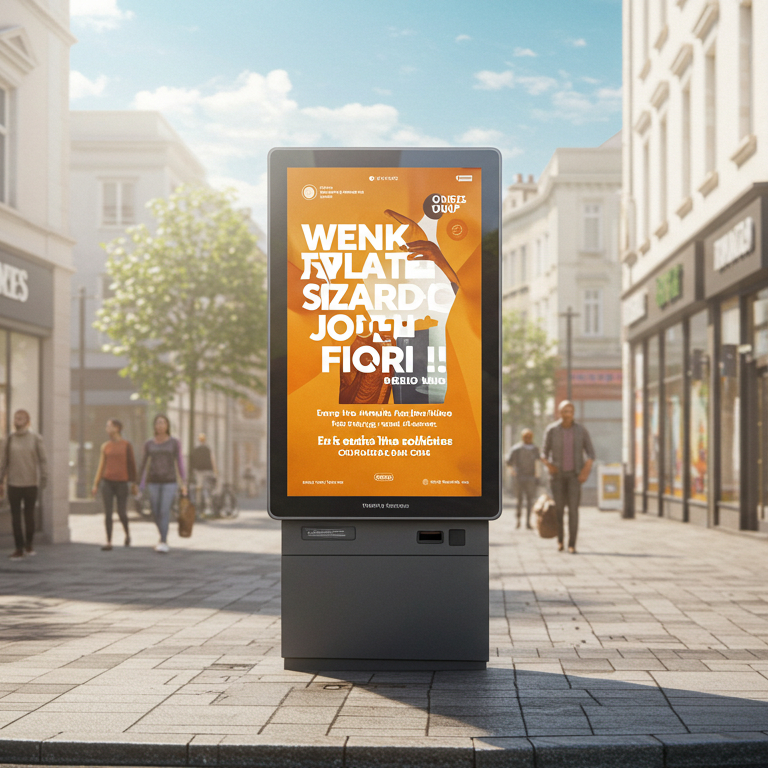
Traditional indoor screens, optimized for controlled lighting, often fail in outdoor settings due to:
- Sunlight Glare: Direct sunlight can wash out colors and obscure content.
- Variable Weather: Rain, dust, and temperature fluctuations degrade screen performance.
- Viewing Distance: Outdoor screens require larger sizes and higher brightness to ensure readability from afar.
High-brightness displays address these challenges with:
- Anti-Glare Technology: Polarized layers and matte finishes reduce reflections.
- Enhanced Contrast Ratios: Brighter LEDs maintain color accuracy even in daylight.
- Robust Construction: Weatherproof enclosures and cooling systems ensure durability in harsh conditions.
Case Study: Transportation Hubs – Singapore’s Changi Airport
Challenge: Providing real-time flight updates and directional signage across sprawling, sunlit terminals.
Solution: High-brightness LCD screens (2,500+ nits) integrated into check-in areas, walkways, and outdoor shuttle stops.
Results:
- Passengers reported 95% satisfaction with signage clarity, reducing missed flights.
- Energy-efficient backlighting lowered power consumption by 25% compared to older models.
- Screens with ambient light sensors automatically adjusted brightness, optimizing visibility day and night.
Future Trends and Industry Growth
The global market for outdoor digital displays is projected to grow at a CAGR of 7.5% through 2030, driven by:
- Smart Cities: High-brightness screens for traffic management, public safety, and tourism.
- Retail: Outdoor kiosks and window displays leveraging brightness to attract foot traffic.
- Sustainability: Energy-saving technologies reducing carbon footprints without compromising performance.
Conclusion
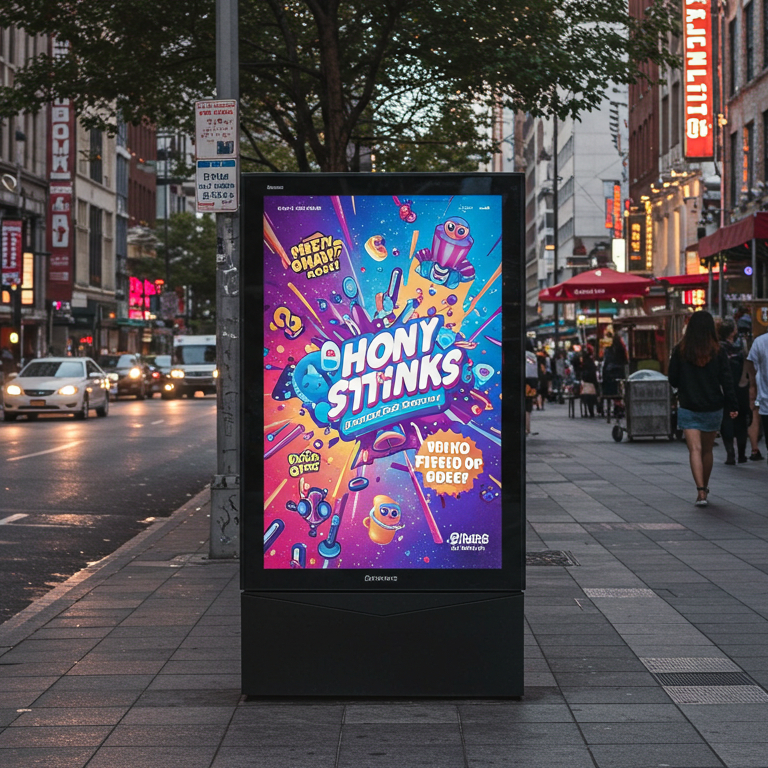
High-brightness outdoor digital kiosks are not just a technical upgrade—they are a strategic necessity for outdoor and sunlit environments. By ensuring visibility, durability, and adaptability, these screens empower businesses and public services to communicate effectively, even under the harshest conditions. As urban landscapes grow brighter and more connected, high-brightness technology will remain at the forefront of the digital revolution, illuminating the path toward smarter, more engaging environments.
#DigitalSignage #OutdoorTech #HighBrightness #SmartCities #AdvertisingInnovation